Khla means “tiger” in Khmer. The animal has disappeared from the forests of Cambodia, and efforts are now under way to bring it back. Naming a spice house after it was a way of saying where we stand.
A French Cambodian family
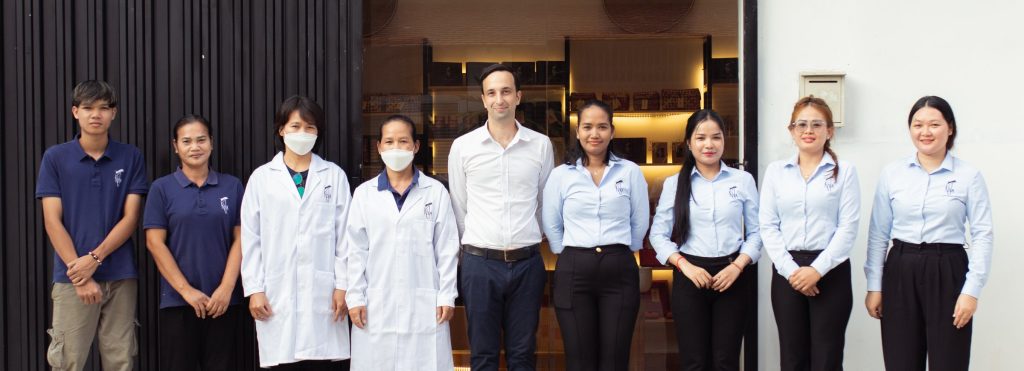
KHLA is a family business with one foot in France and the other in Cambodia. The idea started on the ground, among the pepper vines and the salt pans of the south of the country, and it has never moved far from them.
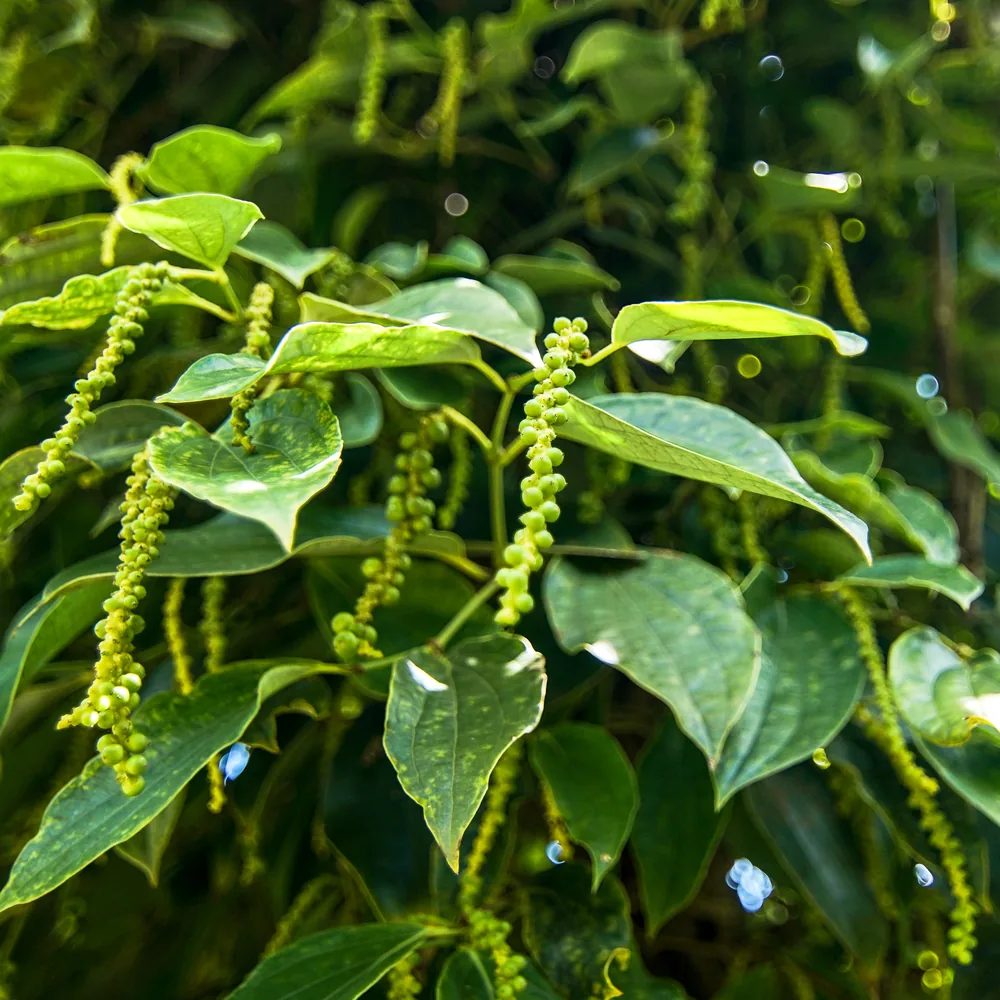
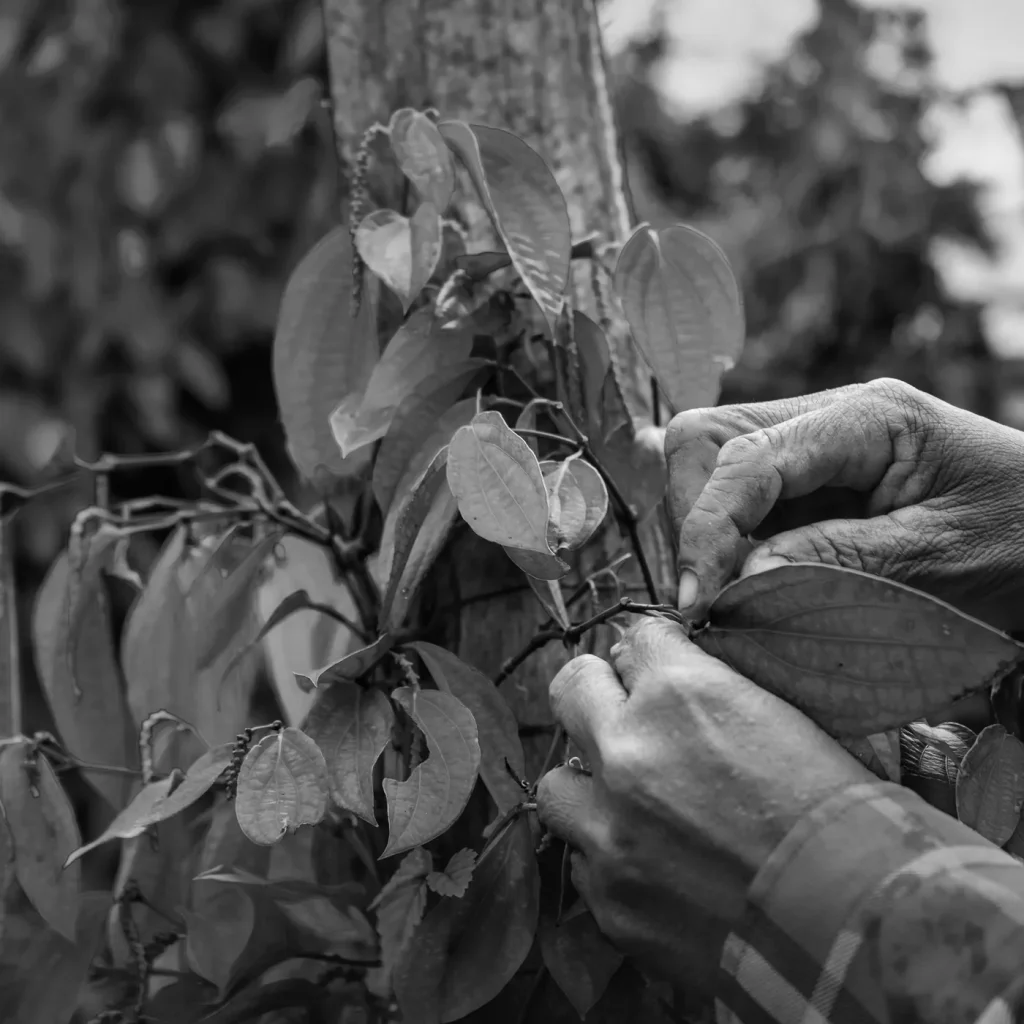
We do not own the land, and we say so
Khla owns no plantation in Kampot. We work exclusively with one family who keep full control of their farm, and who guarantee the specification behind every harvest we sell. It is a partnership rather than a purchase, and it is the reason the quality has held year after year.
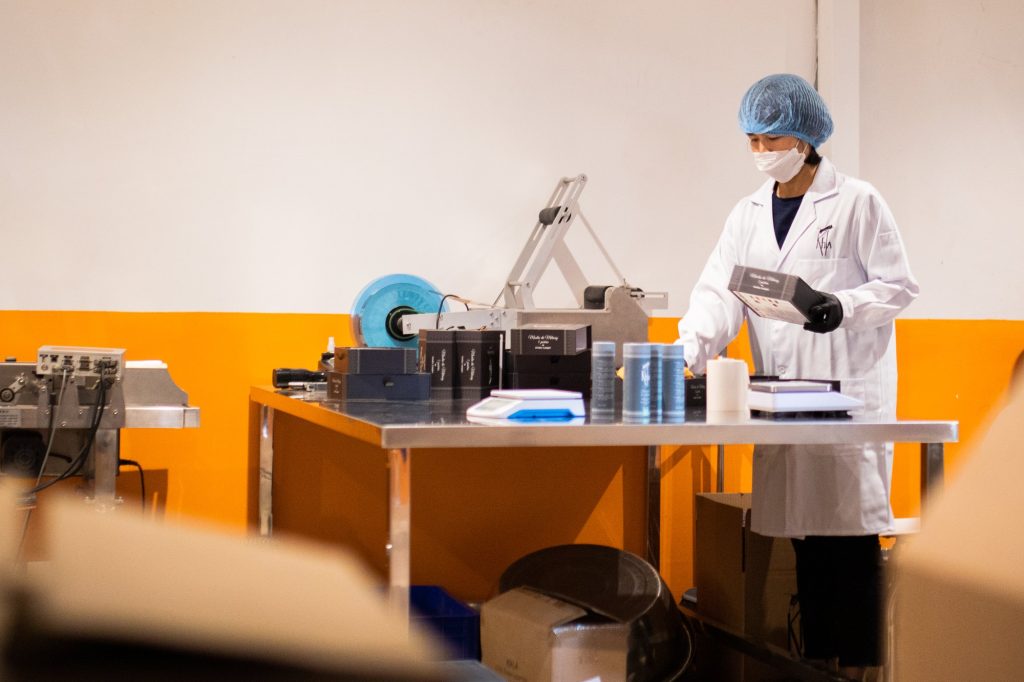
The farm sits inside the area covered by the Kampot pepper PGI, the only area entitled to the name. Our workshop in Phnom Penh then handles the sorting, the grading and the packing, by hand.
Three shops, each with its own role
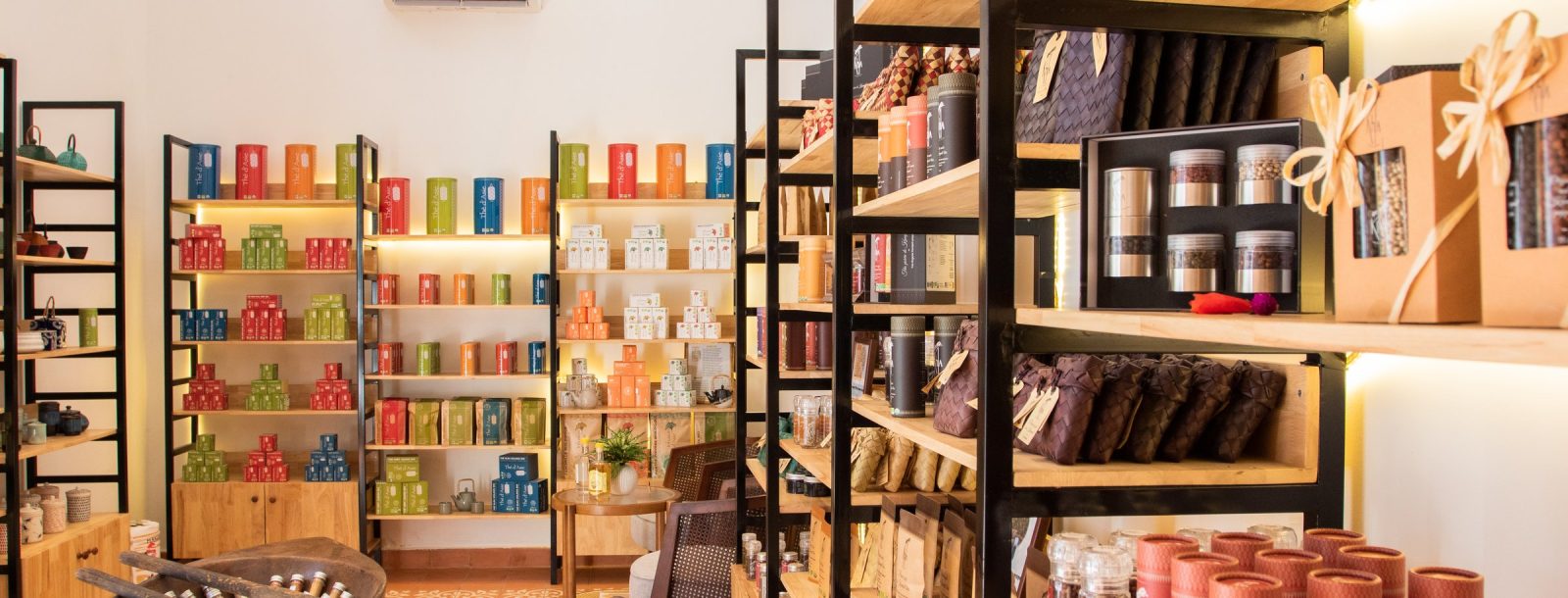
Our three shops are not alike. They do not see the same visitors, so they do not carry quite the same things.
Siem Reap, in Kandal Village
Behind the Old Market, in the few streets where the town’s independent shops have settled. This is the travellers’ shop: it keeps the full range of gift formats, the palm leaf boxes and the tubes, the ones that fit hand luggage. It is also where our collaboration with the Paul Dubrule school began, at the opening in March 2024.
Phnom Penh, Street 478
The shop and the packing workshop are in the same place. This is where the tubes and boxes are filled, sealed and labelled by hand, and where courier delivery across the city starts. It is a shop for residents more than visitors: people take the 500 gram kraft bag rather than the gift tube.
Kampot, at KHLA Lodge
The closest to the plantations, which are next door, and the only one within reach of the salt flats, about thirty minutes away on the Kep road. It receives the new harvest first, and it is the only one where red pepper can be found in every format during the season, from February to May depending on the year. The lodge is on site, for people who want to see where the products come from.
Addresses, opening hours and delivery areas are gathered on the where to buy page.
Giving the tiger its name back
The last wild tiger photographed in Cambodia was recorded in 2007, and the country acknowledged the species extinct in the wild in 2016. Two areas are being studied to bring it back, the Cardamom forests and the eastern plains, led in particular by WWF and Wildlife Alliance. We do not run that work, we carry the animal’s name and we make it known.